Secret Embrace Photo Book
Autographed hardcover
$110
- Premium hardcover fine art nude book
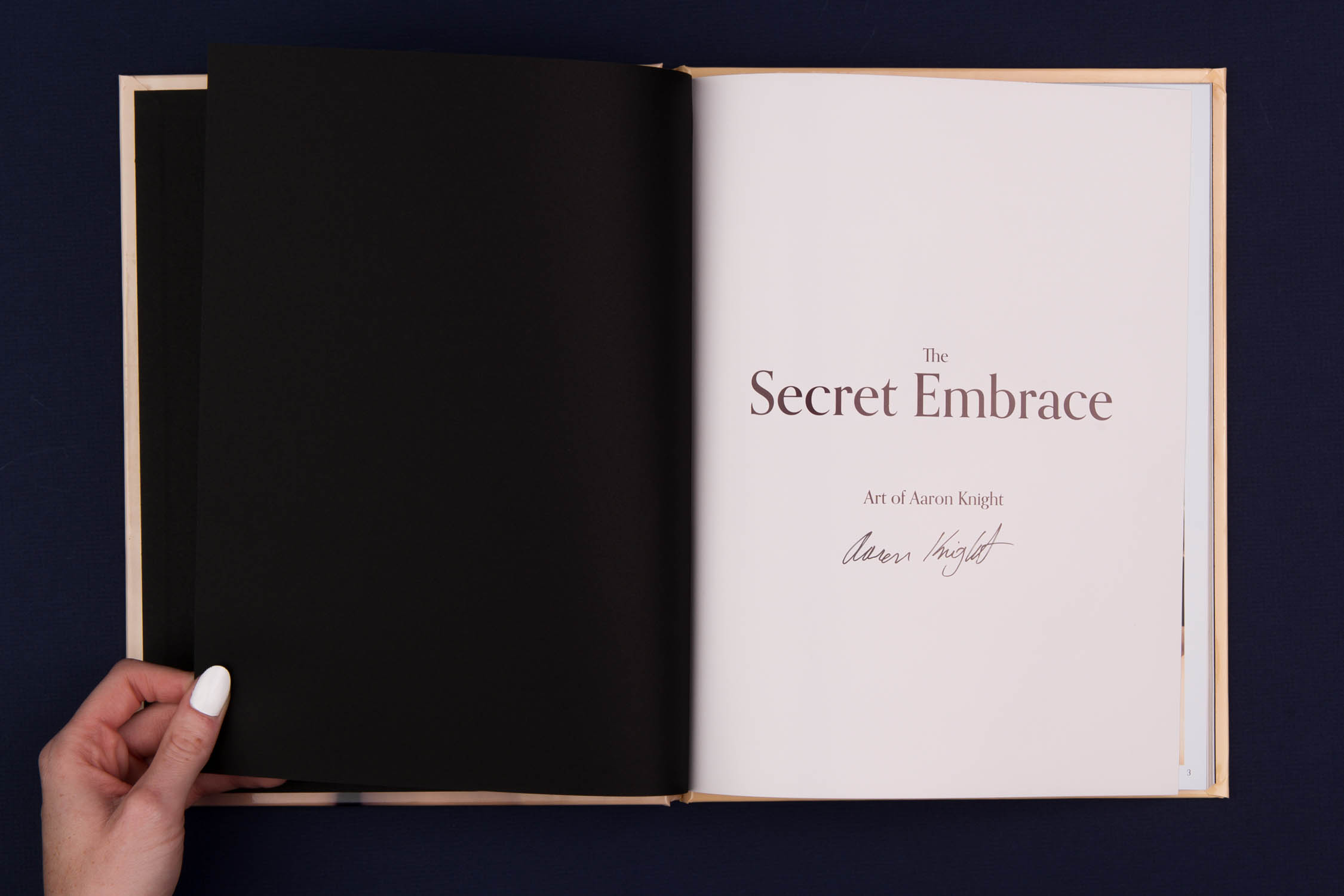
- Autographed by Aaron Knight
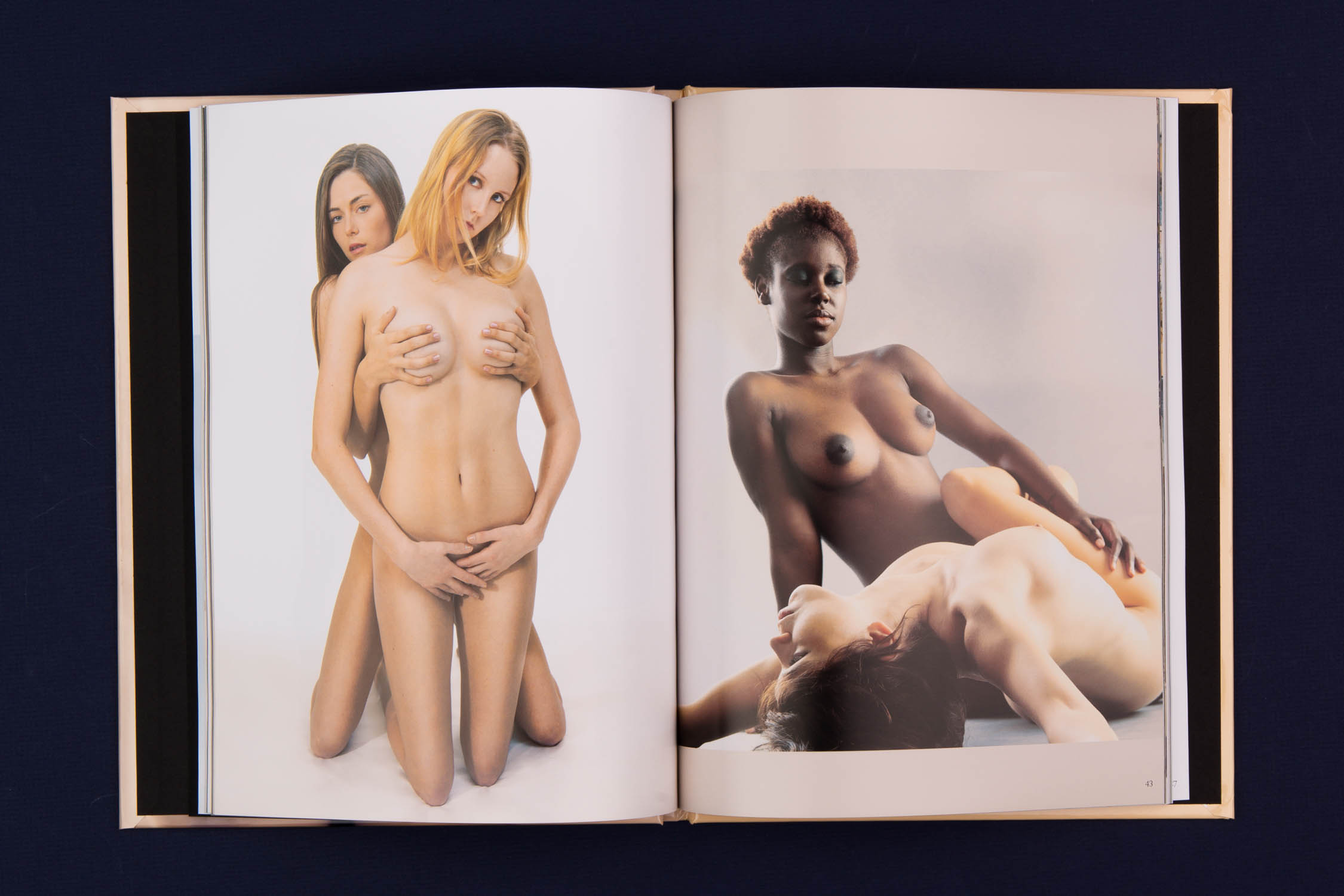
- Over 100 fine art nude photographs of 40 women, on 88 pages
- 8.5×11 inches/22×28 cm
- Printed on premium 148 gsm, semigloss paper
- Brief introductory essay by the artist, 438 words
- About the artist section
- ISBN: 978-1-946287-32-8 Second edition
1 Available
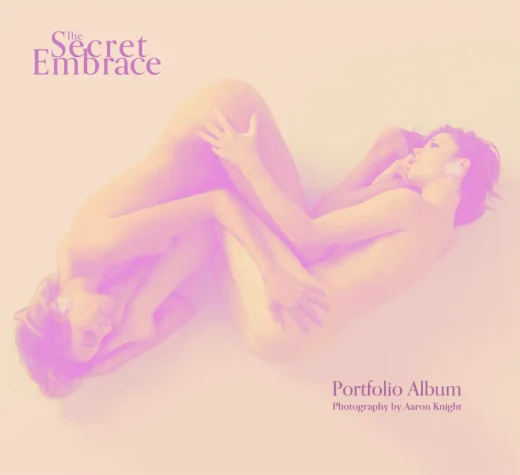
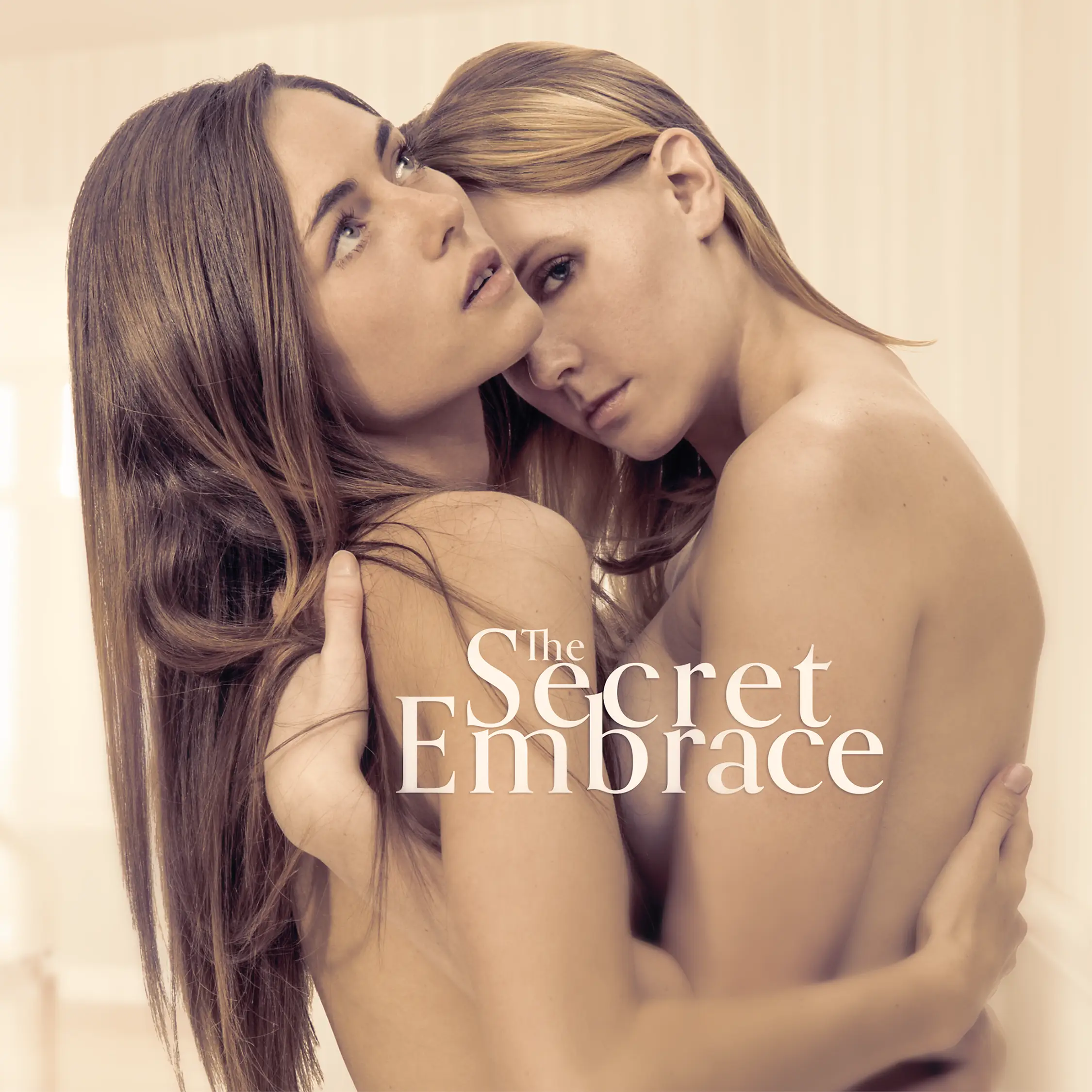
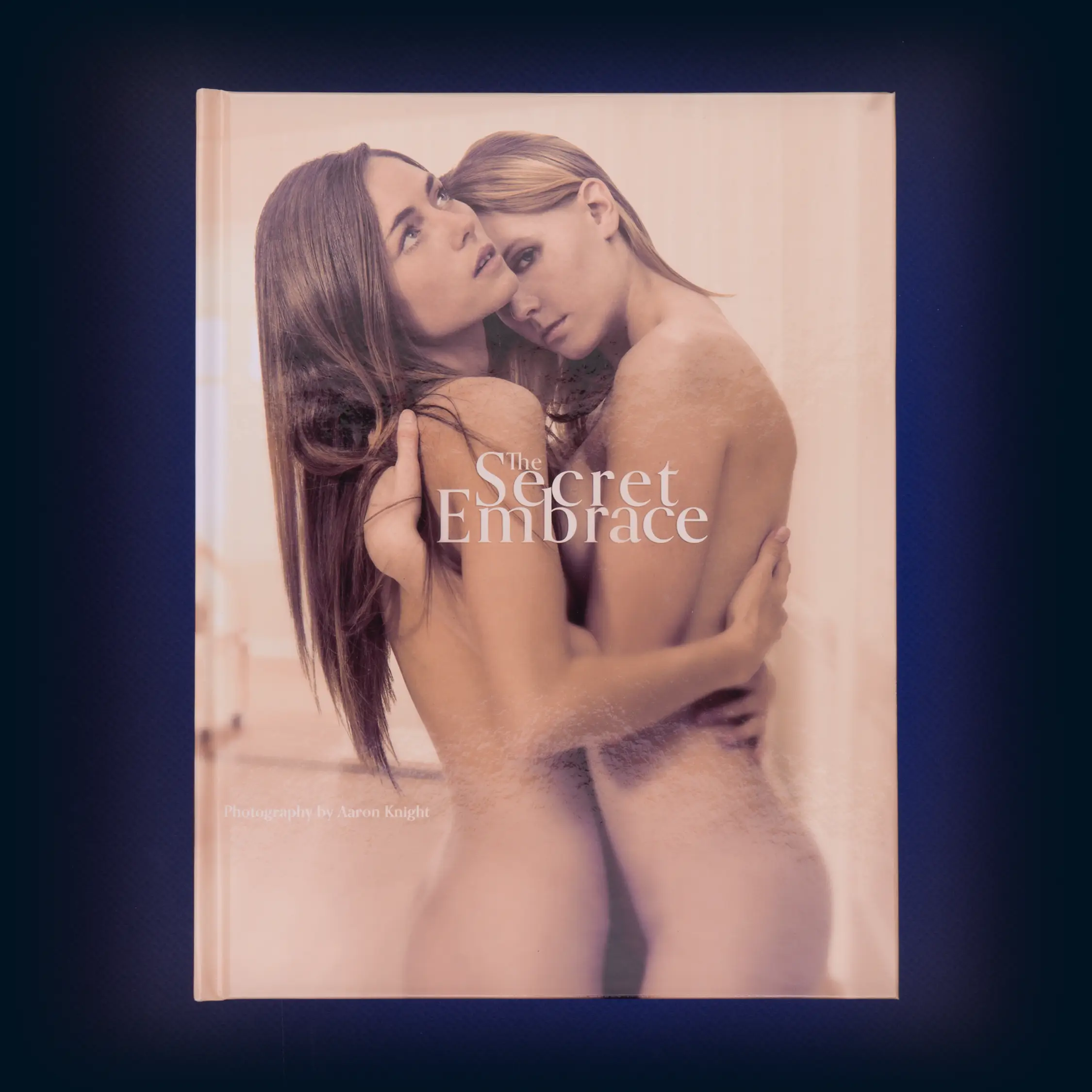
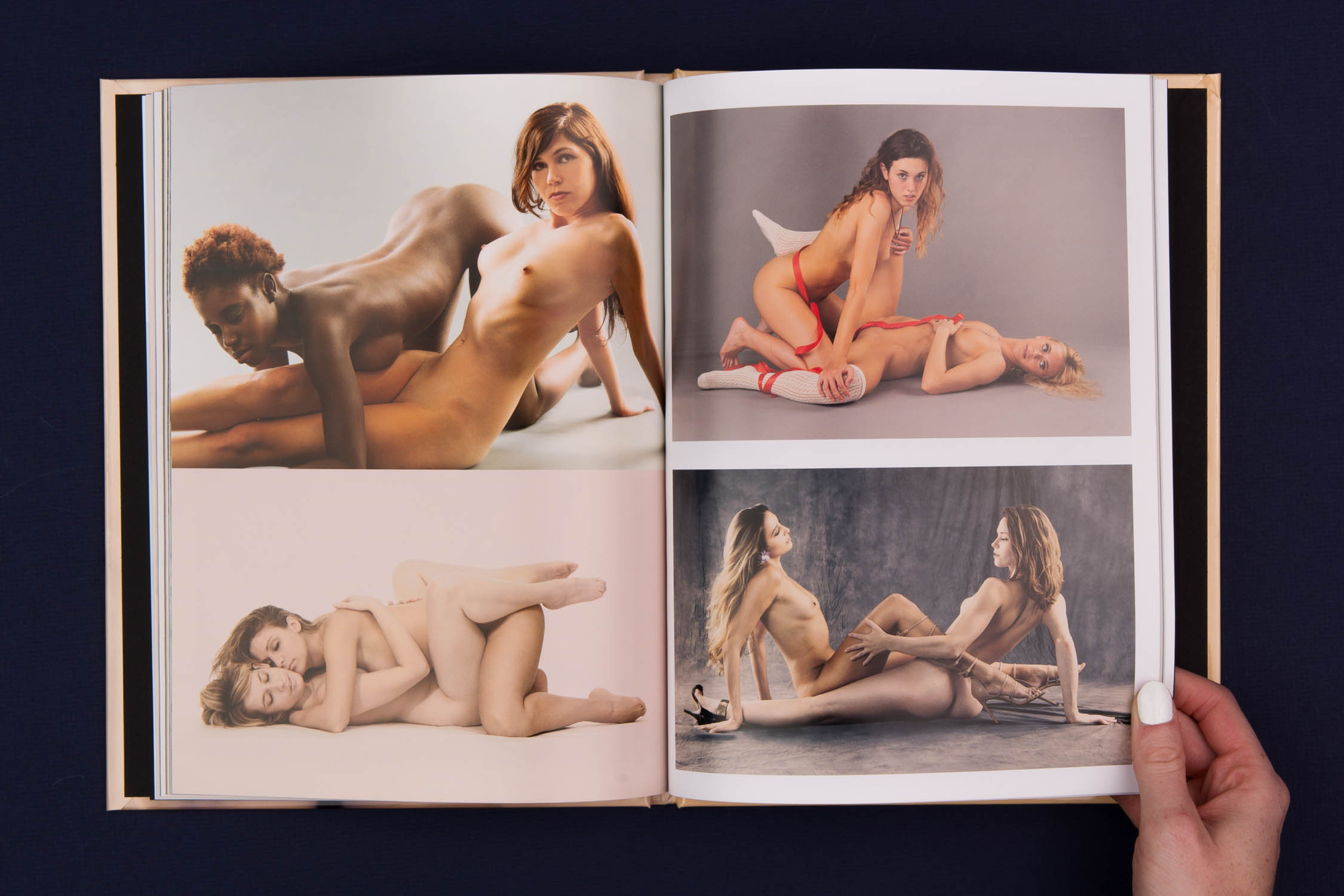
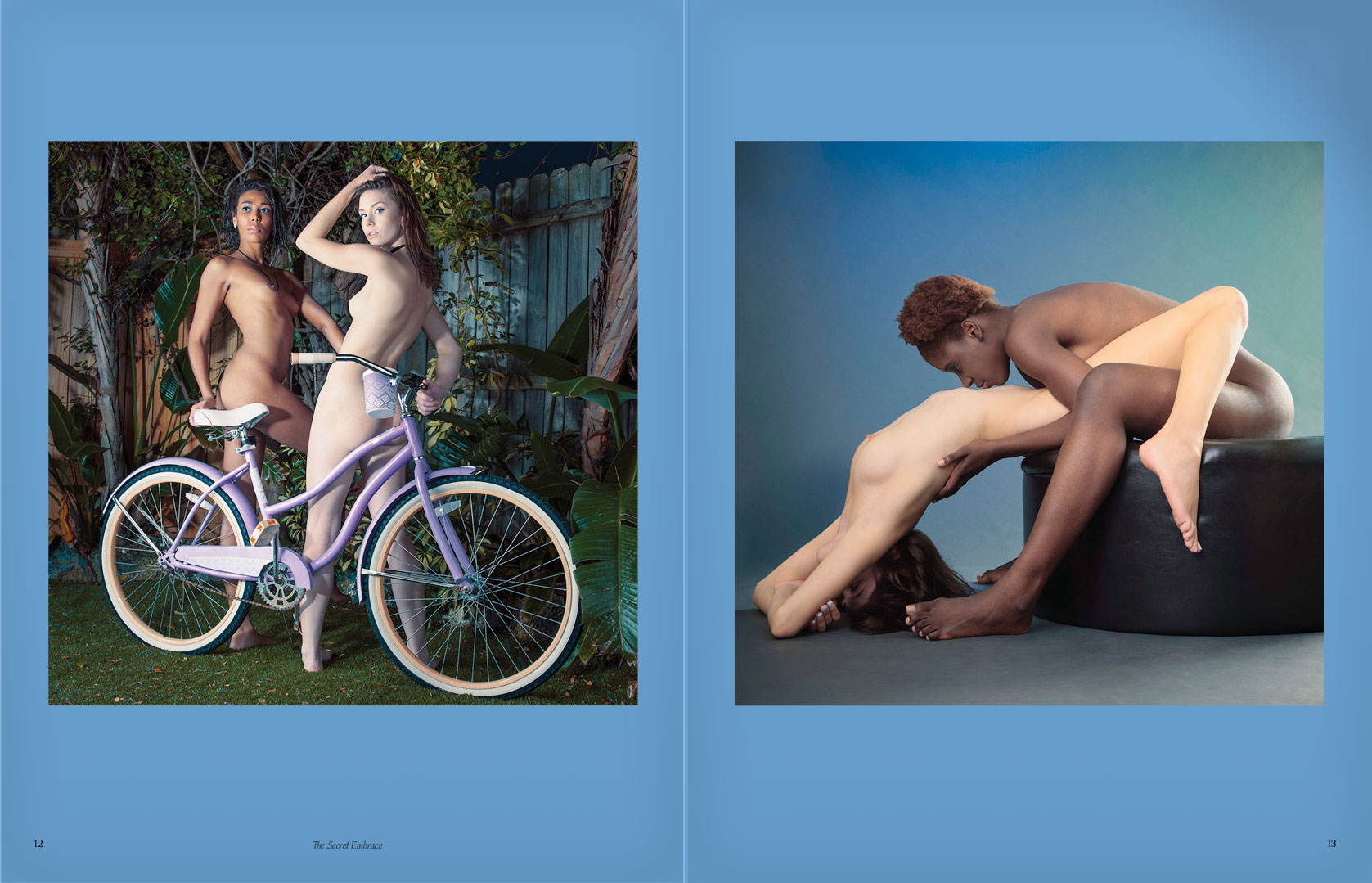
The Secret Embrace is a fine art nude photography book by Aaron Knight with a central theme of multiple figures intertwined, overlapped, or otherwise visually connected. With 40 stunning women across 88 pages, there are 100 photographs celebrating feminine forms woven and folded together.
Introduction
The central theme of this collection of images is of multiple figures intertwined, overlapped, or otherwise visually connected. Although the title hints at an implied subtext of a clandestine encounter, its essence remains visual. While some pairs literally embrace, others convey a similar mood in less expected ways.
This collection celebrates sensuality as an aspect of human nature and within the context visual expression. An unapologetic tribute to beauty, this book invites the viewer to explore a dreamlike world. The artist scrutinized each composition, and painstakingly fine-tuned them for aesthetics and emotional impact that met with his vision.
The subject matter provides compositions that can confound the viewer in delightful ways. Which limbs belong to which person or the physics of a particular posture may be ambiguous.
Pairs of subjects often provide the symmetry, or other forms of compositional balance. Sometimes, the figures are mirrored, or there is rotational symmetry similar to that of the yin yang symbol. Other arrangements are out of equilibrium for a more dynamic scene.
With dozens of subjects, a variety of possibilities with two (or sometimes three) nude women are presented in the series of images. This book is inspired by the way multiple bodies can fit together and seemingly belong in various unexpected orientations. In almost every arrangement, the lines of the body, limbs, and torsos, fit together like puzzle pieces. Sometimes, they tangle like knotted ropes.
The artwork covers variable combinations—not just through a range of posing possibilities but also by incorporating symbols and borrowing cultural references.
The visual relationships between subjects become design elements. The women in these photographs tend to portray spontaneous narratives. In many arrangements, one figure supports the other, or both rely on each other for balance. It’s natural to ponder the roles and to interpret the relationship between the two characters. The interaction between posing partners is a recurring motif, prompting interpretations of each coupling.
The settings are diverse, ranging from studios to domestic interiors, rooftops, beaches, and the edge of swimming pools. Most are pure nudes devoid of any fabric or other prop, but some include such elements to enhance the connection between the figures.
The images contain elements of pinup and hints of the surreal. The goal is not just to entertain the viewer, flatter the subject, or create a technical tour de force, but rather to provoke thought and allow for interpretation.
Herein, you will find fictional residents of a parallel world much like our own but surprisingly full of convenient coincidences and intriguing anomalies. The goal is an escape into an alternate reality that is entertaining, sometimes humorous, and tantalizingly close.
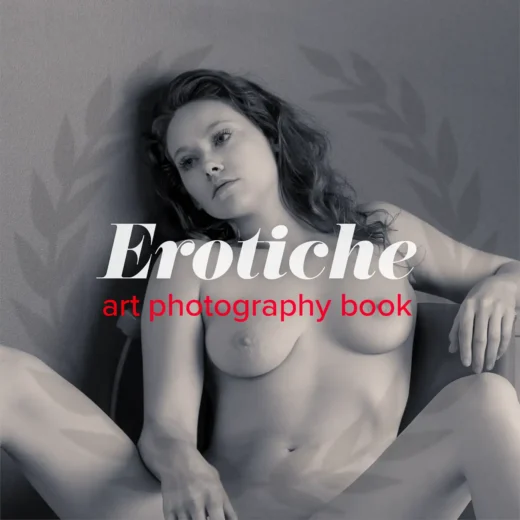
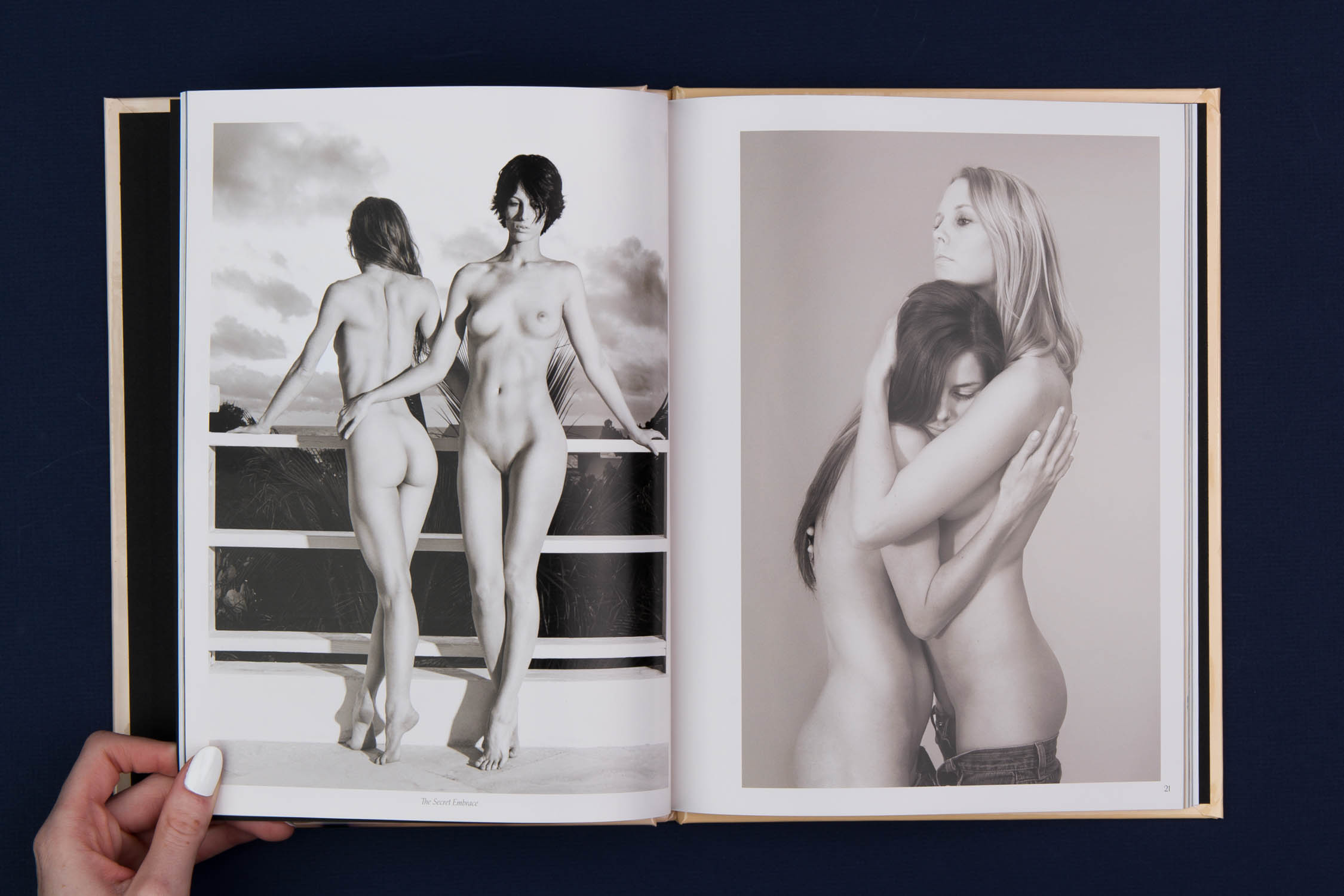
Black and White Section
These black and white images use a digital technique that often resembles classic film processes, such as selenium, sepia, and platinum. These techniques have historically been revered for imparting vital warmth to black and white photography.
Photographers choose a black and white presentation for an image because it gives greater creative control. The mood is altered, and the viewer is invited to delve deeply into the scene. In monochrome presentation, some of the textures of the body become less obvious, while others are more pronounced. The shine of individual strands of hair can appear enhanced, making their pattern a more prominent player in the composition.
Although they appear monochrome, a range of hues are typically present. Warm or cool grays, minimally saturated, are mapped through the light and dark tones of each image. By adjusting the intensity in select areas, the process shares some of the goals of traditional hand-painting and the toning of darkroom prints.
The abstract arrangement of components is the heart of any artwork. Removing the color from an image is a compositional tool that helps draw the viewer through the shapes, textures, and lines of the photograph. Bright colors no longer garner elevated attention. The monochrome effect eliminates distraction and can influence the viewer’s emotional reaction.
| brand | Aaron Knight Fine Art |
|---|---|
| Isbn | 9781946287328 |